Introduction
In today's fast-paced business environment, understanding the nuances of
branding is essential for any organization aiming to thrive. Beyond simply designing an attractive logo, business branding encompasses the entire experience and perception that customers form about a company and its offerings. This comprehensive approach involves a strategic mix of messaging, customer interactions, and core values, all vital for establishing a unique identity in a bustling marketplace.
Effective branding plays a critical role in fostering trust and loyalty among consumers. By engaging audiences emotionally and shaping compelling narratives, businesses can significantly influence how their products and services are perceived. It is increasingly clear that a well-defined brand goes beyond visuals; it encompasses feelings, perceptions, and the overall experience that consumers have with the brand.
As industries continue to evolve, organizations must regularly analyze and refine their branding strategies to ensure they resonate with their target audience. Strong branding not only sets a business apart from its competition but also clarifies its unique value proposition, serving as a foundation for growth. This article will delve deeper into the multifaceted nature of business branding, offering insights and strategies designed to help businesses craft a memorable and impactful
brand identity in an ever-changing landscape.
Understanding Business Branding Beyond Logos
Business branding encompasses much more than just logos or visual identity; it represents the overall perception that an audience develops about a business. Effective branding involves the strategic use of elements such as messaging, tone, customer experience, and the values a company upholds. This holistic approach enables businesses to create a unique identity in a competitive marketplace.
By consciously shaping brand narratives and fostering emotional connections, organizations can influence how customers perceive their products and services. Branding is a crucial factor in establishing trust and loyalty, as it communicates reliability and consistency to potential customers. Understanding that branding extends beyond visuals to include emotions and perceptions is vital for comprehensive business strategies.
Moreover, the influence of strong branding can be observed in various sectors, where the customers’ view of a company is often shaped by their overall experiences and interactions. Thus, businesses need to assess and refine their branding strategies continually. Effective business branding not only differentiates an enterprise from its competitors but also clarifies its unique value proposition in the market. This foundational understanding of branding is essential for anyone looking to build a memorable and impactful presence in today’s dynamic business landscape.
Why Credibility Begins with Consistent Business Branding
Consistent business branding is essential in establishing credibility and trust with customers. It encompasses more than just a cohesive visual identity; it involves uniform messaging and customer experience across all touchpoints. When a brand delivers a consistent experience, it reinforces reliability, which is crucial for customer perception.
Consumers today are adept at recognizing discrepancies in branding efforts. When a business maintains consistency in its brand voice, colors, and overall experience, it leads to increased confidence among its audience. This consistency helps to fortify a company's reputation, making it more recognizable and relatable. According to research, brands that present themselves consistently can increase revenue by up to 23%, highlighting the importance of maintaining a steady image.
Moreover, consistent branding aids in clearly communicating a brand's values and mission, which resonates with target audiences. By aligning branding efforts with customer expectations, businesses can foster deeper connections and loyalty. In a landscape crowded with competitors, those who invest in consistent business branding are often more successful in creating lasting relationships with customers. Establishing credibility through consistent branding not only aids in customer trust but also contributes significantly to the overall integrity of the brand, ensuring long-term success in the marketplace.
How Business Branding Shapes Market Positioning
Business branding plays a crucial role in shaping market positioning, which influences consumer perception and competitive advantage. Effective branding differentiates a company from its competitors by clearly articulating its unique value propositions. This distinctiveness is key for businesses seeking to establish a strong foothold in their respective markets.
A well-defined brand identity communicates not only what the business offers but also the qualities and values it embodies. This clarity enables consumers to quickly identify what makes a brand special, fostering recognition and recall in a crowded marketplace. Branding encompasses various aspects beyond just a logo or tagline; it involves storytelling, customer experiences, and the emotional connections formed with the audience.
By integrating branding elements into product development, marketing strategies, and customer service, businesses can ensure that there is a cohesive and compelling narrative that reinforces their position. This alignment is crucial for influencing customer choices and enhancing brand loyalty.
Moreover, strong market positioning derived from effective branding can lead to increased pricing power and market share. By emphasizing their unique selling propositions through consistent branding efforts, businesses not only attract customers but also retain them, thereby reinforcing their presence in the market. In summary, understanding how business branding shapes market positioning is essential for any organization aiming to thrive in today's competitive landscape.
The Impact of Business Branding on Customer Loyalty and Retention
Business branding plays a pivotal role in cultivating customer loyalty and enhancing retention rates. A well-crafted brand identity goes beyond mere logos and color schemes; it establishes an emotional connection with consumers. This emotional resonance can manifest in various ways, shaping customers' perceptions and experiences with a brand throughout their journey.
Strong branding fosters a sense of belonging and reliability, making customers feel understood and valued. When companies convey their core values and mission effectively, they invite customers to align themselves with those ideals. This alignment not only influences initial purchasing decisions but also fosters repeat business. Customers who feel a connection to a brand are more likely to make loyal choices, even in competitive markets.
Moreover, consistency in branding across all platforms reinforces familiarity, making it easier for consumers to recall brands they trust. By maintaining a unified messaging strategy—whether through social media, customer service, or product quality—companies can enhance their brand's credibility. When consumers associate a brand with positive experiences, the likelihood of customer retention increases significantly.
In summary, impactful business branding is instrumental in forging relationships that transcend transactions. By prioritizing emotional connections and consistent messaging, brands can cultivate loyal customer bases, leading to long-term success and sustainability in challenging markets. Emphasizing the importance of brand loyalty can significantly improve a company's overall performance and customer engagement strategies.
Business Branding Strategies that Support Scalable Growth
Effective business branding strategies are essential for supporting scalable growth within an organization. A strong brand not only enhances visibility but also creates a reliable framework for expansion. By establishing a cohesive brand identity, businesses can foster loyalty and trust, ensuring that new products or services are welcomed by existing customers.
One key strategy includes creating a comprehensive brand guideline that outlines the essence of the brand, messaging, and visual elements. This ensures consistency across all marketing channels, which is critical as businesses enter new markets or form partnerships. Additionally, developing a versatile brand architecture can help organizations manage multiple sub-brands or product lines, facilitating smoother growth transitions.
Another effective approach is leveraging customer insights to evolve branding strategies. Understanding customer preferences and behaviors allows brands to tailor their messaging, positioning, and engagement efforts. This customer-centric approach not only supports brand relevance but also drives organic growth through word-of-mouth and referrals.
Moreover, investing in digital branding initiatives can significantly enhance reach and engagement. Utilizing social media platforms,
content marketing, and SEO techniques will not only boost brand visibility but also provide valuable data for ongoing strategy refinement.
Ultimately, aligning branding strategies with growth objectives positions businesses to seize opportunities for expansion while maintaining the integrity and essence of their brand identity. Effective branding becomes a powerful catalyst for sustainable growth, allowing companies to thrive in dynamic markets.
Measuring the ROI of Business Branding Efforts
Evaluating the return on investment (ROI) of branding initiatives is crucial for understanding their effectiveness and overall impact on
business growth. Marketers and business leaders can utilize various metrics to gauge the success of their branding strategies. One key indicator is brand awareness, which measures how many customers recognize and recall a brand within a specific market.
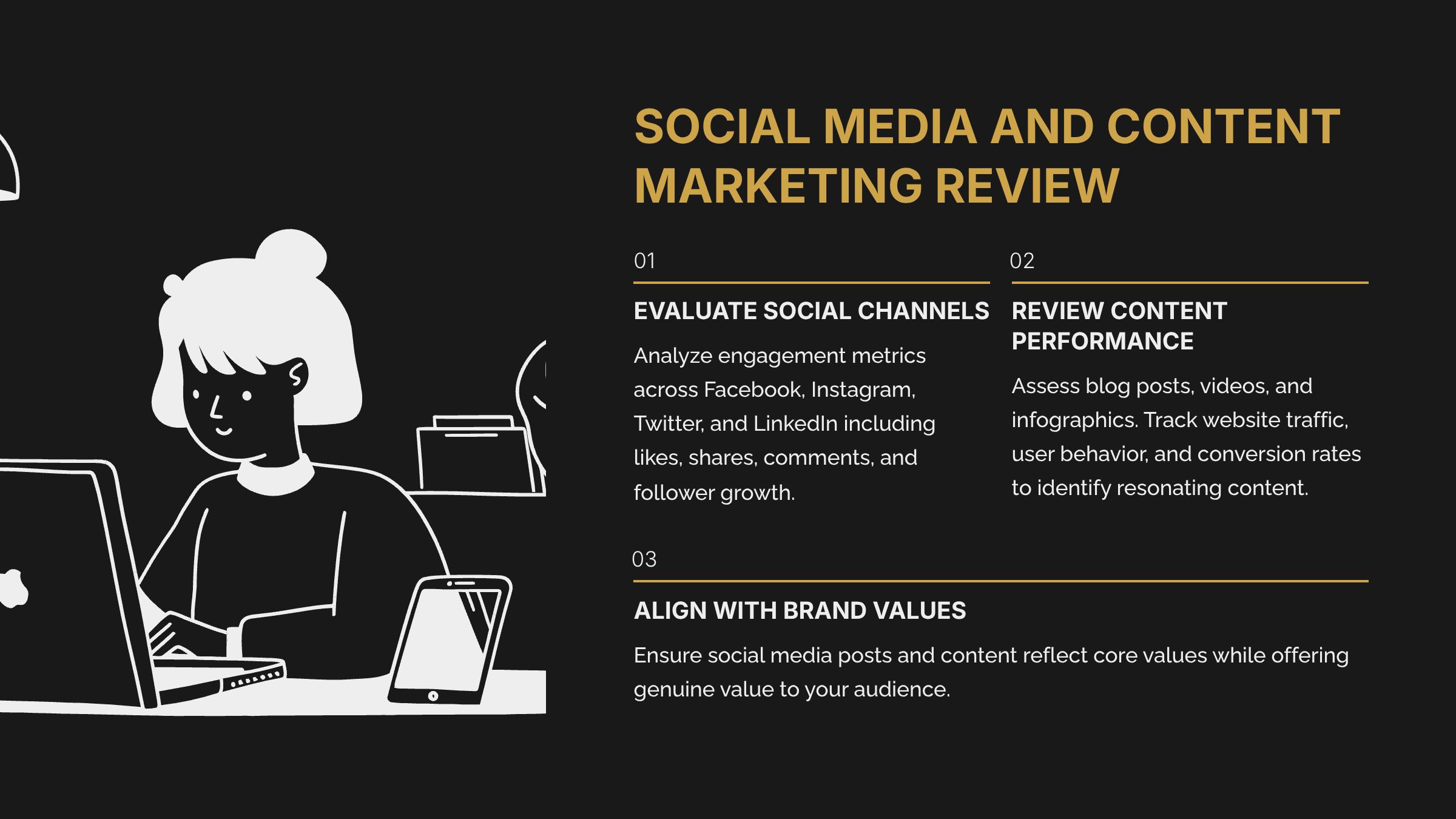
Another important metric is customer engagement, often assessed through website traffic, social media interactions, and content shares. High engagement levels typically correlate with strong branding efforts, reflecting a deeper connection with the target audience. Additionally, tracking sales growth and profit margins can provide valuable insights into how branding influences purchasing behavior.
Customer loyalty metrics, such as repeat purchase rates and Net Promoter Score (NPS), also play a significant role in measuring branding effectiveness. A strong brand can lead to higher retention and advocacy rates, which ultimately contribute to sustainable business success.
Moreover, qualitative data from customer surveys and brand perception studies can enhance the quantitative findings, offering a more comprehensive view of branding ROI. By applying these metrics, businesses can make informed adjustments to their branding strategies, ensuring alignment with their overall objectives and enhancing their market position. Understanding these measurements empowers businesses to allocate resources effectively and maximize the benefits of their branding efforts.
Conclusion
In summary, understanding business branding extends far beyond the confines of logos and visual elements. It embodies an intricate interplay of messaging, customer experiences, and core values that collectively shape how audiences perceive a business. By prioritizing emotional connections and consistent brand narratives, companies can significantly enhance trust and loyalty among their customers.
Effective branding strategies serve as a powerful differentiator in a crowded market, clearly defining the unique value proposition that each business offers. As the market evolves, so too should branding approaches, necessitating regular reassessment to maintain relevance.
In today's competitive landscape, businesses that grasp the holistic nature of branding are better equipped to foster meaningful relationships with their customers, ultimately leading to increased engagement and loyalty. With this knowledge, companies can craft memorable brand experiences that resonate with their target audience and elevate their market presence. Understanding the comprehensive role of branding is an invaluable asset for any business eager to thrive and sustain success in an ever-changing environment.