Introduction
In today’s fast-paced digital landscape, the importance of effective
content marketing in fostering
business growth cannot be overstated. As companies strive to connect with their target audience amidst an overwhelming sea of information, a strategic content marketing approach emerges as a vital tool. By delivering valuable and relevant content tailored to the needs and interests of consumers, businesses enhance their ability to engage, inform, and inspire loyalty among potential clients. This dynamic process not only elevates brand awareness but also establishes a company’s reputation as a thought leader within its industry.
Through diverse content formats—ranging from insightful
blog posts to engaging videos and shareable infographics—organizations can effectively reach different customer segments, addressing unique pain points and preferences. This targeted content strategy fosters trust and encourages meaningful interactions, ultimately guiding prospective customers through the complex buyer's journey.
As content consumption continues to rise, those businesses that strategically harness the power of content marketing are poised to gain a competitive edge. By understanding the nuances of effective content creation and distribution, companies can unlock new opportunities for success and drive scalable growth. In the following sections, this article will delve deeper into the essential elements of a successful content marketing strategy, providing organizations with the insights needed to thrive in an ever-evolving marketplace.
Understanding the Role of Content Marketing in Business Growth
Content marketing plays a crucial role in driving business growth by creating valuable, relevant content that aligns with both customer needs and organizational objectives. By understanding their target audience's challenges and preferences, businesses can develop content that resonates with potential customers, fostering engagement and loyalty. This strategic approach not only enhances brand visibility but also positions companies as thought leaders in their respective industries.
Incorporating various forms of content—such as blog posts, videos, infographics, and social media updates—enables organizations to address different customer segments effectively. Moreover, by focusing on providing solutions and information that cater to consumer interests, businesses can build trust and establish a lasting relationship with their audience.
A well-executed content marketing strategy serves as a catalyst for scalable and predictable growth. It allows organizations to nurture leads through meaningful interactions, eventually guiding them through the buyer’s journey. In this digital era, where content consumption is ever-increasing, companies that prioritize content marketing are better equipped to differentiate themselves in a crowded market. Thus, understanding and implementing effective content strategies is vital for unlocking new opportunities and achieving sustainable business success.
Building Effective Content Funnels for Every Stage of the Buyer’s Journey
Understanding the buyer's journey is essential for businesses aiming to maximize the effectiveness of their content marketing strategies. This journey is typically divided into three key stages: awareness, consideration, and decision. In the awareness stage, potential customers are identifying their pain points and searching for information. Here, content should focus on educational resources, such as blog posts and infographics, that provide valuable insights and lay the groundwork for further exploration.
As prospects progress to the consideration stage, they are actively comparing solutions to their challenges. High-value content such as case studies, eBooks, and webinars can serve to illustrate how a business's offerings stand out against competitors. The goal during this phase is to deepen engagement and nurture leads with content that resonates with their specific needs.
Finally, in the decision stage, potential customers are ready to make a purchase. Here, content should include detailed product descriptions, customer testimonials, and compelling calls-to-action that prompt immediate engagement. By effectively mapping content to each stage of the buyer’s journey, businesses can create a seamless experience that not only drives conversions but also fosters long-term relationships with customers. This strategic alignment not only enhances the customer experience but also supports overall business objectives, reinforcing the importance of a well-structured content funnel.
Establishing Authority Through High-Value Content
Consistent, high-value content is essential for businesses seeking to establish authority and credibility in competitive markets. When organizations regularly produce expert-driven articles, white papers, or case studies that address specific industry challenges, they not only enhance their knowledge base but also foster trust and loyalty among their audience. This trust is pivotal, as consumers increasingly gravitate towards brands that showcase thought leadership and expertise.
By prioritizing quality over quantity, brands can create meaningful connections with their target audience. Developing content that resonates with readers’ pain points and interests strengthens engagement, amplifying the perceived authority of the brand. Furthermore, high-value content serves as a resource that potential customers turn to, thus positioning the company as a go-to source for information within the industry.
Utilizing various content formats—such as blogs, videos, and podcasts—also broadens the reach, accommodating diverse audience preferences and enhancing discoverability. Search engines favor authoritative content, often elevating it in rankings, which further increases visibility. The synergy between high-value content and search engine optimization is instrumental in driving organic traffic and nurturing relationships with prospects.
In summary, investing in expert-driven content not only supports a brand's immediate marketing goals but also lays the foundation for lasting authority and thought leadership, ultimately propelling business growth and success over time.
The SEO Impact of Strategic Content Marketing
Analyzing the relationship between strategic content marketing and search engine optimization (SEO) reveals how a thoughtful approach can substantially enhance online visibility. Optimized content creation plays a critical role in improving search rankings, as it aligns with search engine algorithms that prioritize relevance and quality. By employing targeted keywords and crafting valuable, informative articles, businesses can strategically position themselves within search results.
Furthermore, high-quality content naturally attracts backlinks, which search engines view as endorsements of credibility. This organic link-building not only boosts domain authority but also drives substantial traffic from external sources. As a direct result, content marketing has become a cornerstone for brands aiming to improve their discoverability on search engines.
Moreover, regular updates and fresh content signal to search engines that a website is active, further improving its ranking potential. An effective content marketing strategy also incorporates user engagement metrics to refine future efforts, ensuring alignment with audience preferences. By leveraging tools like keyword research and content performance analysis, companies can develop an agile content strategy that evolves with changing consumer behavior.
In conclusion, when content marketing is executed with an SEO focus, it is a powerful tool for driving sustainable growth. Businesses that prioritize optimized, value-driven content find themselves better positioned to reach their target audience and achieve long-term success.
Driving Conversions with Purpose-Driven Content
Purpose-driven content plays a crucial role in enhancing conversion rates by strategically engaging potential customers. By understanding the target audience's needs and preferences, businesses can create compelling narratives that resonate with users on a personal level. This type of content often incorporates storytelling techniques, allowing brands to illustrate problems and solutions that potential buyers face, thereby fostering an emotional connection.
In crafting effective purpose-driven content, clear and compelling calls-to-action (CTAs) are essential. These CTAs guide readers toward the next steps, whether it's signing up for a newsletter or completing a purchase. It is important that these prompts are contextually relevant and seamlessly integrated into the content, making it convenient for users to engage further with the brand.
Moreover, data-driven insights can enhance the effectiveness of this content strategy. By analyzing user behavior and engagement metrics, marketers can refine their messaging to better align with what prospects find appealing. Tailoring content formats—such as video, blog posts, or social media snippets—can cater to differing consumer preferences, thus increasing the likelihood of conversion.
Overall, purpose-driven content not only seeks to inform and engage but also directly influences purchasing decisions. As businesses leverage this strategic approach, they can expect to see heightened engagement, improved customer relationships, and ultimately, enhanced conversion rates. Adopting such practices positions brands to thrive in competitive markets.
Measuring and Refining Content Marketing Performance
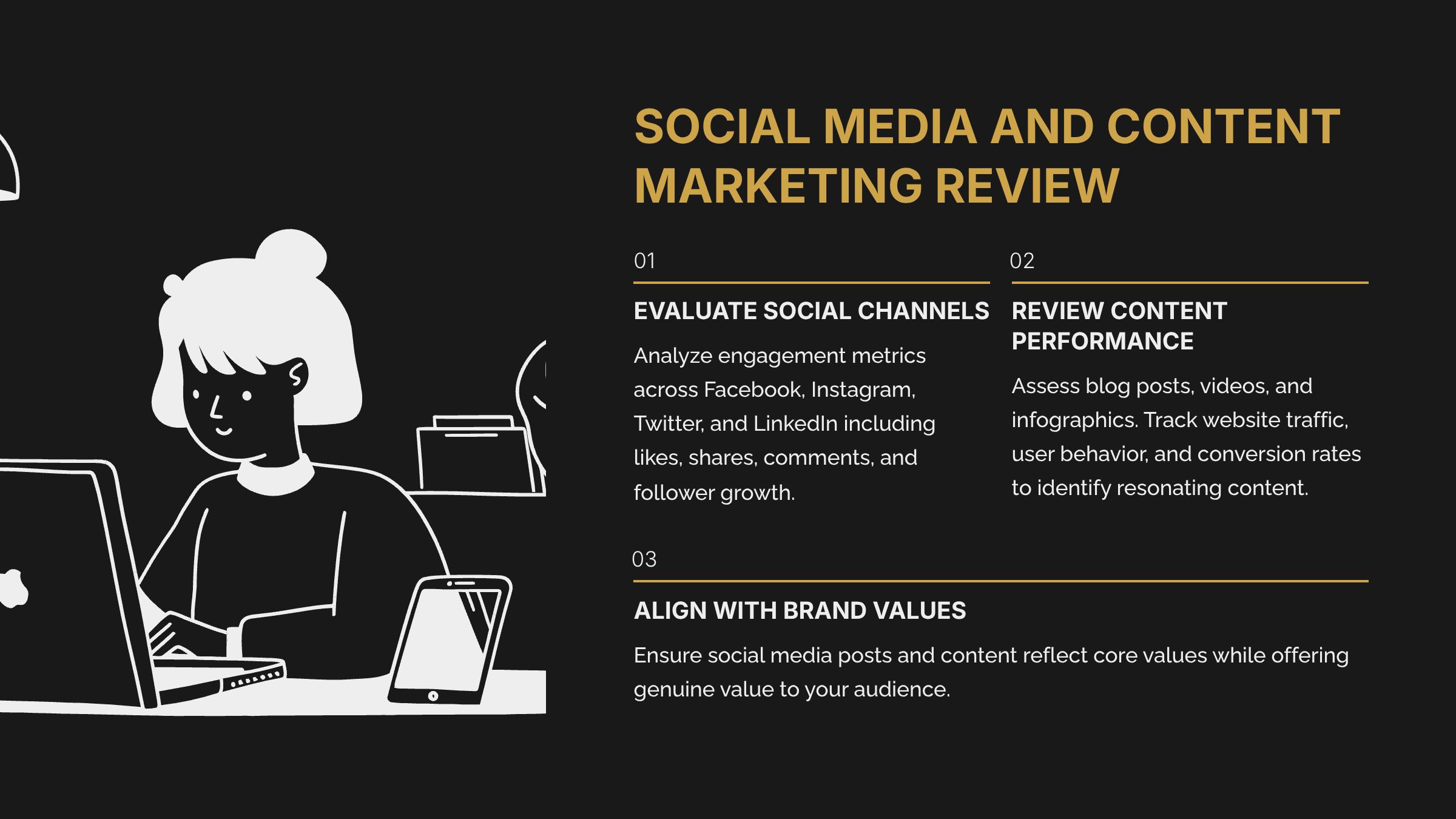
To ensure the success of content marketing initiatives, businesses must measure and refine their performance. Evaluating content effectiveness involves analyzing key metrics that provide insights into user engagement and overall impact. Common metrics include organic traffic, bounce rates, time on page, and conversion rates. Utilizing tools such as Google Analytics and SEMrush enables marketers to gain a comprehensive understanding of how their content is performing.
In addition to quantitative metrics, qualitative assessments play a critical role in evaluating content success. Gathering feedback through surveys or user testing can reveal how well content resonates with the target audience and highlights areas for improvement. Using this feedback allows businesses to refine their strategies and enhance user experience.
Another essential aspect is experimenting with A/B testing. This method assesses different versions of content to determine which performs better regarding user engagement and conversion. By consistently measuring and refining content strategies, businesses can stay aligned with their audience’s preferences and adapt to evolving market trends.
Ultimately, an iterative approach to content marketing fosters continuous growth and improves return on investment (ROI). By leveraging analytics and user feedback, organizations can ensure their content remains relevant, informative, and effective in driving business objectives. This proactive strategy is essential for staying competitive in a rapidly changing digital landscape.
Conclusion
In summary, the importance of content marketing in driving business growth cannot be overstated. By producing high-quality, relevant content, organizations can effectively engage their target audience and establish themselves as industry leaders. The utilization of diverse content formats paves the way for addressing varied customer needs, ensuring that brands resonate with different segments of their market.
Furthermore, a strategic approach to content marketing not only enhances brand visibility but also fosters customer loyalty, making it an invaluable asset in today’s competitive landscape. Companies that prioritize content-driven strategies are more likely to nurture leads and guide them seamlessly through the buyer's journey, ultimately converting prospects into loyal customers.
By embracing the principles of content marketing, businesses can unlock numerous opportunities for growth while building lasting relationships with their audience. As the digital space continues to evolve, staying abreast of content trends and consumer preferences will be crucial for any organization seeking sustainable success. Therefore, implementing a robust content marketing strategy is essential for businesses aiming to thrive in a fast-paced environment. Ultimately, understanding the significance of this marketing approach equips companies with the tools necessary for seizing new opportunities and achieving their growth objectives.