Introduction
The process of
real estate lead generation is not merely about attracting potential clients; it revolves around a strategic funnel designed to nurture prospects from initial interest to final purchase. Understanding this lead generation funnel is essential for real estate professionals aiming to thrive in a competitive market. It encompasses a series of stages—awareness, interest, consideration, and decision—that guide prospects through their buying journey.
In the awareness stage, potential buyers discover real estate opportunities through various channels like social media, search engines, and referrals. Following this, the interest phase allows them to delve deeper into specific properties or agents, often leading to increased engagement through online inquiries or site visits. As they transition into the consideration stage, prospects weigh their options based on critical factors such as location, pricing, and property features. This is where targeted content and seamless user experiences become pivotal.
Ultimately, the lead generation funnel culminates in the decision phase, marking the moment when prospects are ready to commit. Exceptional service, timely follow-ups, and strategic outreach can significantly enhance conversion rates. For real estate professionals, mastering each stage of this funnel is paramount. With the right insights and strategies, they can transform leads into long-term clients, ensuring a prosperous future in the real estate industry.
Understanding the Real Estate Lead Generation Funnel
The real estate lead generation funnel is a crucial framework for converting interested prospects into qualified buyers. It is comprised of several key stages that are essential for nurturing potential clients in the competitive real estate market. Initially, the process begins with awareness, where consumers discover real estate offerings through various channels such as social media, referrals, or search engines. Once awareness is established, prospects move into the interest stage, where they seek more information about properties or agents, often leading to engagement through website visits or inquiries.
As prospects progress through the funnel, they enter the consideration phase. Here, they evaluate options based on factors like location, pricing, and features. Effective lead generation strategies, including targeted content and user-friendly interfaces, can significantly influence this stage. Finally, prospects reach the decision phase when they are ready to commit to a purchase. At this point, providing exceptional service and timely follow-ups can help ensure conversion, leading them to become satisfied clients.
Real estate professionals must understand how to manage each stage of the lead generation funnel effectively. By analyzing metrics and refining strategies, they can enhance their chances of transforming leads into closed deals. Implementing this knowledge can result in a more efficient, streamlined approach to real estate lead generation, ultimately leading to increased profitability and success in the industry.
Leveraging Targeted Ads for Real Estate Lead Generation
In today's competitive real estate market, leveraging targeted advertisements is essential for generating high-intent leads. Effective platforms, such as Facebook Ads and Google Ads, offer real estate professionals the ability to reach specific demographics and geographic areas. By utilizing advanced targeting features, agents can connect with individuals who exhibit proactive intent in buying or selling properties.
Facebook Ads enable the creation of visually compelling advertisements tailored to users based on interests, behaviors, and location. This precision targeting enhances the likelihood of engaging users who may not be actively searching for listings but are likely to consider a move.
Similarly, Google Ads provides opportunities to reach potential leads through search intent. By utilizing relevant keywords associated with local real estate, agents can ensure their ads appear when prospective buyers actively search for properties or real estate services.
Local ad platforms also merit consideration; they foster community engagement and can reach audiences who prefer neighborhood-centric information. Incorporating geo-targeting strategies uplifts the chances of conversing with individuals within the vicinity of listings.
To maximize the effectiveness of these ad campaigns, it's essential to continuously analyze performance indicators, such as click-through rates and conversion metrics. By assessing these results, real estate professionals can refine their targeting and content, ensuring that their advertising efforts effectively drive qualified leads into the sales funnel.
SEO Strategies for Real Estate Lead Generation
Effective real estate lead generation relies heavily on robust SEO strategies tailored for the unique demands of the market. One of the foundational elements is local SEO, which enhances visibility for agents and brokers within specific geographic areas. By optimizing their websites for keywords such as "homes for sale in [location]" or "real estate agents near me," professionals can attract potential buyers searching for relevant properties.
Another crucial aspect of these strategies is keyword targeting. Researching and implementing diverse keywords—ranging from long-tail phrases to local-specific terms—ensures that content resonates with the search intent of prospective clients. This not only aids in reaching the right audience but also helps in ranking higher on search engine results pages (SERPs).
In addition to keyword optimization, producing high-quality, informative content is essential. Blogs, neighborhood guides, and market analyses provide valuable information to potential leads, establishing the real estate professional as an industry expert. Incorporating on-page SEO techniques, such as internal linking and meta descriptions, further enhances online presence and drives organic traffic.
In summary, by focusing on local SEO, strategic keyword implementation, and high-quality, optimized content, real estate professionals can significantly improve their chances of generating long-term visibility and attracting organic leads. These foundational strategies serve as vital components in building a sustainable lead generation system.
Building High-Converting Real Estate Landing Pages
To effectively capture qualified leads, real estate professionals must focus on the design and content of their landing pages. A high-converting landing page is characterized by several essential elements that enhance user experience and drive conversions. First, a clear and compelling headline is crucial; it should resonate with the target audience while emphasizing the unique value proposition of the property or service offered.
Incorporating visually appealing images and videos can significantly boost engagement. High-quality visuals not only attract attention but also help prospective buyers envision the property or service. Additionally, utilizing concise and persuasive copy is vital. It should highlight key features, benefits, and calls-to-action (CTAs) that encourage visitors to take the next step.
Another critical component of an effective landing page is social proof. Including testimonials, reviews, or case studies can build trust and credibility, making visitors more likely to convert. Moreover, forms should be strategically designed to minimize friction; asking only for essential information increases the likelihood of users completing them.
Finally, optimizing landing pages for mobile devices is essential, given the growing number of users accessing real estate information via smartphones. By focusing on these elements, real estate professionals can create high-converting landing pages that efficiently capture leads and reduce drop-offs in the conversion process. Understanding and implementing these key components can lead to successful lead generation and ultimately enhance sales performance.
Using CRM and Email Marketing to Nurture Real Estate Leads
Real estate professionals can significantly enhance their lead conversion rates by implementing effective Customer Relationship Management (CRM) systems and targeted email marketing strategies. CRM tools assist in organizing and managing client information, allowing agents to track interactions, prioritize follow-ups, and tailor communications based on individual preferences. This personalized approach fosters stronger relationships with potential buyers.
Automated
email campaigns play a crucial role in nurturing leads throughout the buying process. By segmenting their audience, real estate agents can send relevant content, such as market updates, property listings, or home-buying tips, to keep prospects engaged. Regularly scheduled newsletters and personalized follow-up emails help to build trust and keep the agent top-of-mind when the prospect is ready to make a decision.
Moreover, integrating CRM data with email marketing platforms enables agents to analyze engagement metrics, allowing for adjustments based on lead behavior. For instance, if a prospect shows interest in specific property types, targeted email campaigns can be developed to address those interests directly. By leveraging
automation in both CRM and email marketing, real estate professionals can efficiently manage lead nurturing, ensuring that valuable relationships are maintained and enhanced over time. This approach not only drives conversions but also promotes a more personalized experience for potential buyers, ultimately leading to successful transactions.
Tracking and Optimizing Real Estate Lead Generation Campaigns
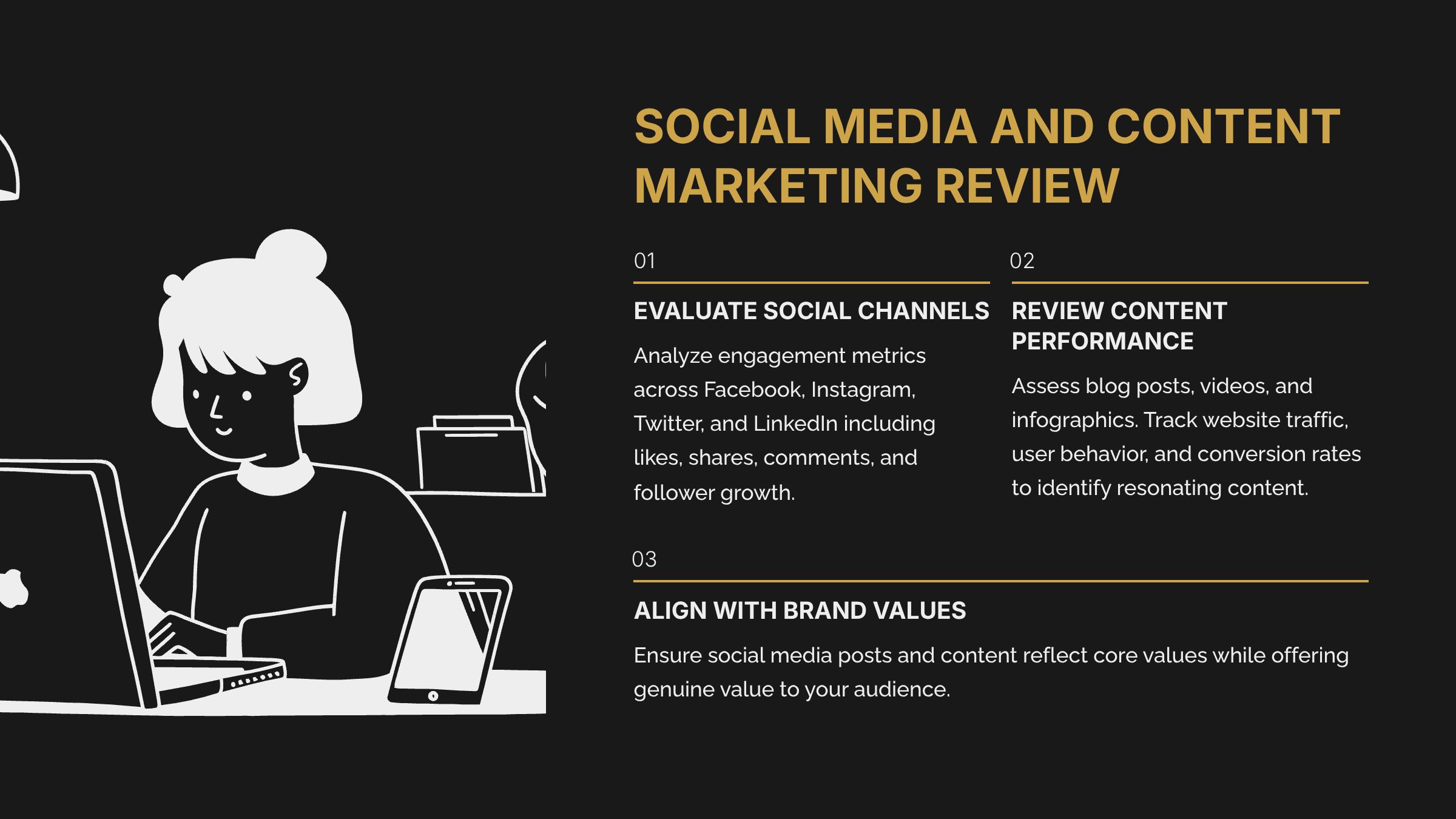
Real estate professionals must recognize the critical role that analytics and optimization play in enhancing their lead generation efforts. Utilizing tools such as Google Analytics, agents can track website traffic, user behavior, and conversion rates. Understanding these metrics allows for informed decision-making on which strategies are yielding the best results.
A/B testing is another vital component in refining campaigns. By experimenting with different headlines, calls-to-action, and design elements, real estate marketers can identify what resonates most with their audience. This process enables continuous improvement, helping to lower acquisition costs and increase the number of qualified leads.
Furthermore, integrating these insights with CRM systems can provide a comprehensive view of lead interactions. This integration enables agents to segment leads effectively, tailoring content to meet specific audience needs, thereby enhancing engagement.
By diligently tracking performance metrics and testing content variations, real estate professionals can adapt their lead generation strategies to align more closely with market demands. The ultimate goal is to foster better conversion rates, turning prospects into satisfied clients. Emphasizing analysis and optimization not only improves lead generation but also contributes to the long-term success of real estate businesses in a competitive landscape.
Conclusion
In summary, the real estate lead generation funnel stands as a vital strategy for real estate professionals aiming to effectively convert leads into satisfied clients. Understanding the distinct stages—awareness, interest, consideration, and decision—enables agents to tailor their marketing efforts and engage potential buyers more effectively. By leveraging targeted strategies and analyzing performance metrics throughout each phase, agents can optimize their approach and enhance the likelihood of closing deals.
Furthermore, the key to success lies in providing value-driven content and exceptional service that resonates with prospects. As the industry continues to evolve, adapting to new trends and technologies will be critical for marketers who seek to maintain a competitive edge. By implementing a well-structured lead generation funnel, real estate professionals can maximize their reach and build lasting relationships with clients, ultimately contributing to sustained profitability.
For those eager to thrive in the ever-changing real estate landscape, embracing the nuances of the lead generation funnel is not just beneficial; it's essential. As this article has highlighted, a strategic focus on each stage can lead to significant improvements in client acquisition and retention, fostering long-term success in the real estate market.