Effective Sales Systems to Convert Leads into Loyal Clients
December 1, 2025
Introduction
In the ever-evolving landscape of sales strategies, companies are continually seeking methods to enhance their effectiveness and customer engagement. While traditional sales scripts have been widely utilized for training sales teams, they often fall short in fostering genuine connections with clients. This is where sales systems come into play, providing a more dynamic and flexible approach to the sales process. Unlike rigid scripts, which can result in a one-size-fits-all interaction, sales systems are designed to adapt and respond to the unique needs and feedback of each customer.
Sales systems encompass a holistic framework that integrates various components such as lead generation, qualification, nurturing, and closing tactics. By harnessing the power of data analytics, businesses can refine their approaches and implement targeted strategies that resonate with potential customers, ultimately driving higher conversion rates. Moreover, these systems encourage collaboration among sales teams, promoting knowledge sharing and cohesion that enhance overall performance.
As organizations transition from outdated sales scripts to cutting-edge sales systems, they stand to not only meet but exceed client expectations. This shift not only leads to increased customer satisfaction but also to sustainable growth and profitability. By exploring the key advantages of sales systems over traditional scripts, professionals can equip themselves with the tools necessary to thrive in today’s competitive marketplace. Understanding this evolution is vital for any organization aspiring to elevate its sales performance.
And make sure you stay with me until the end because I have a free resource that will help you turn your sales into consistent, predictable growth.
Why Sales Systems Outperform Sales Scripts
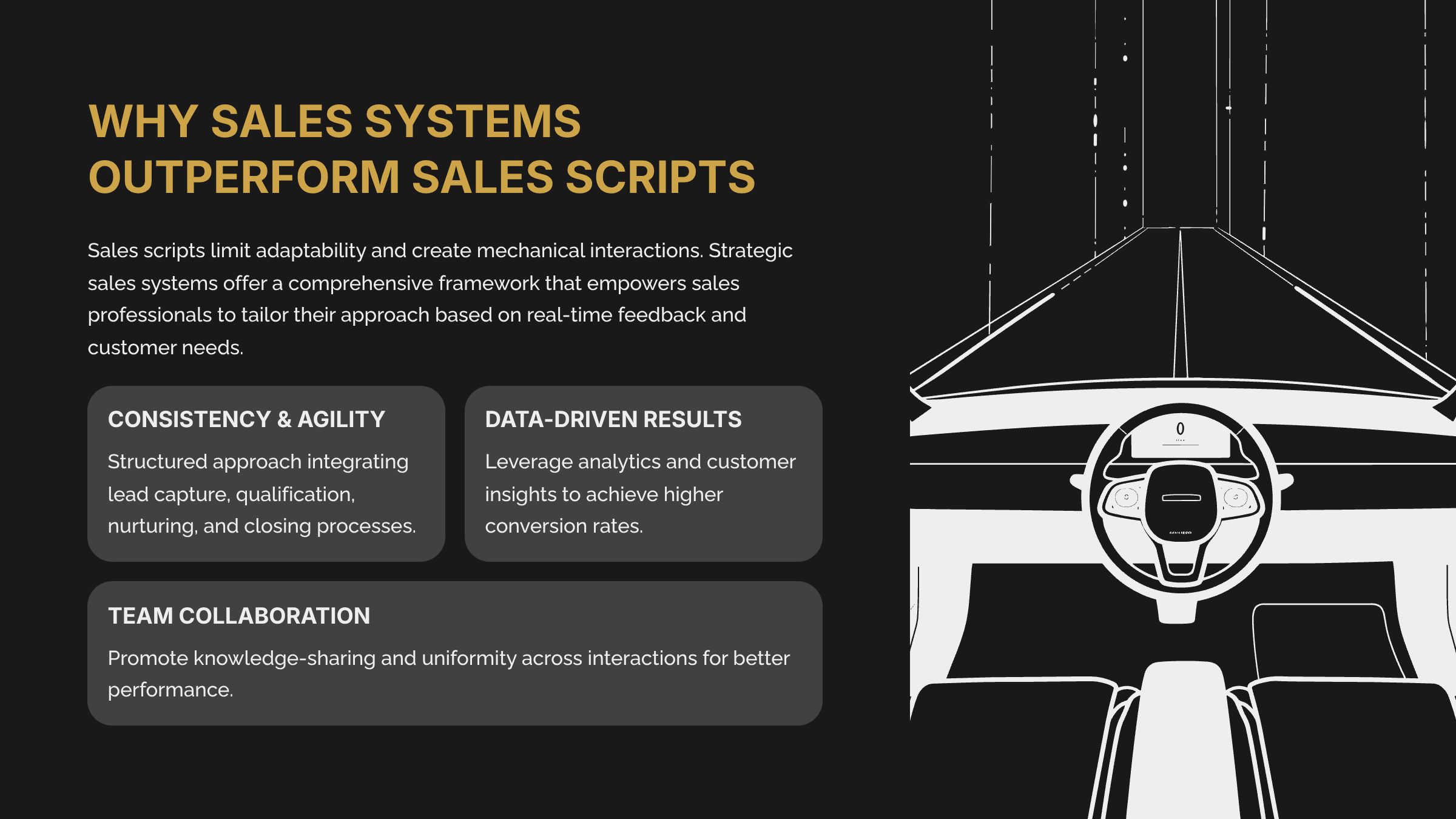
Sales scripts have long been a staple in training sales teams; however, they often limit the adaptability and responsiveness of sales representatives. Relying on rigid scripts can lead to a mechanical approach that may fail to engage potential clients meaningfully. In contrast, strategic sales systems offer a comprehensive framework that empowers sales professionals to tailor their interactions based on real-time feedback and customer needs.
Sales systems focus on consistency and agility, utilizing a structured approach that integrates various components such as lead capture, qualification, nurturing, and closing processes. By leveraging data analytics and customer insights, businesses can enhance their sales methodologies, achieving higher conversion rates. The adaptability of these systems allows for continuous improvement, ensuring that sales strategies remain relevant in a constantly evolving market landscape.
Furthermore, sales systems facilitate better collaboration among team members, promoting knowledge-sharing and uniformity across interactions. This collective intelligence enhances overall team performance, driving better results. As organizations begin to move away from outdated sales scripts and adopt modern sales systems, they position themselves to not only meet but exceed customer expectations, leading to sustainable growth and improved profitability. Understanding the distinct advantages of sales systems is essential for organizations aiming to thrive in a competitive business environment.
Core Components of Effective Sales Systems
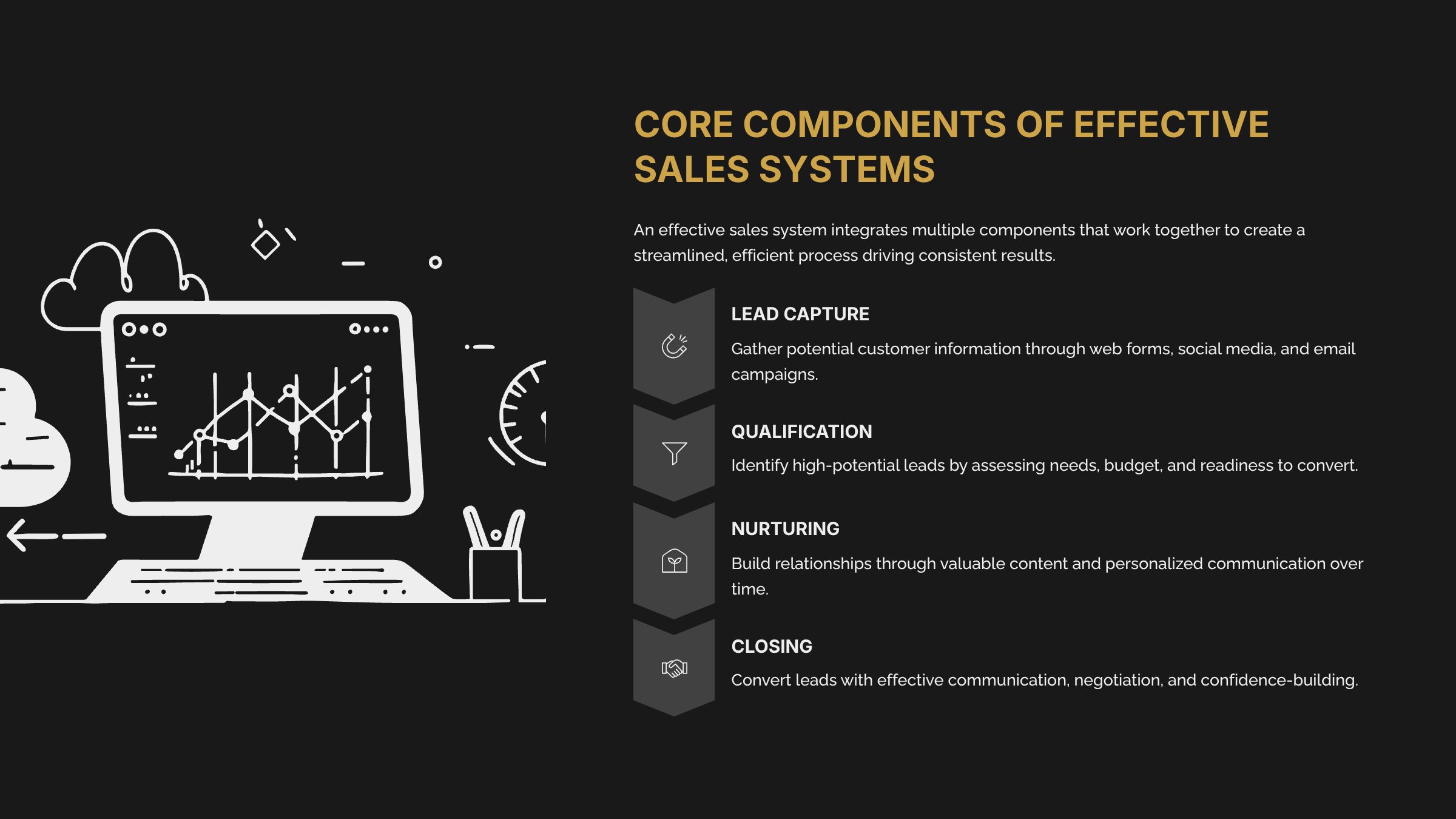
An effective sales system is built upon several core components that work together to create a streamlined and efficient process. The first essential element is lead capture, which involves gathering potential customer information through various channels, such as web forms, social media, or email campaigns. This information serves as the foundation for further engagement.
Next, qualification plays a vital role in identifying high-potential leads. By employing criteria based on the target market, sales teams can prioritize prospects, ensuring that their efforts focus on individuals most likely to convert. This step often includes assessing the needs, budget, and readiness of potential customers.
Once leads are qualified, nurturing becomes essential for building relationships over time. This process includes providing valuable content and personalized communication, which keep prospects engaged and informed about the product or service. The nurturing phase often leverages automated email campaigns or targeted outreach strategies to maintain engagement.
Finally, the closing process is crucial for converting leads into customers. This component requires effective communication and negotiation skills, ensuring that all concerns are addressed and that the potential buyer feels confident in their decision. Integrating analytics and metrics during the closing process can offer insights into performance, allowing teams to refine their approach continuously.
By understanding and implementing these core components, organizations can develop a robust sales system that enhances overall effectiveness, driving consistent results and improved conversion rates.
Integrating a CRM into Your Sales Workflow
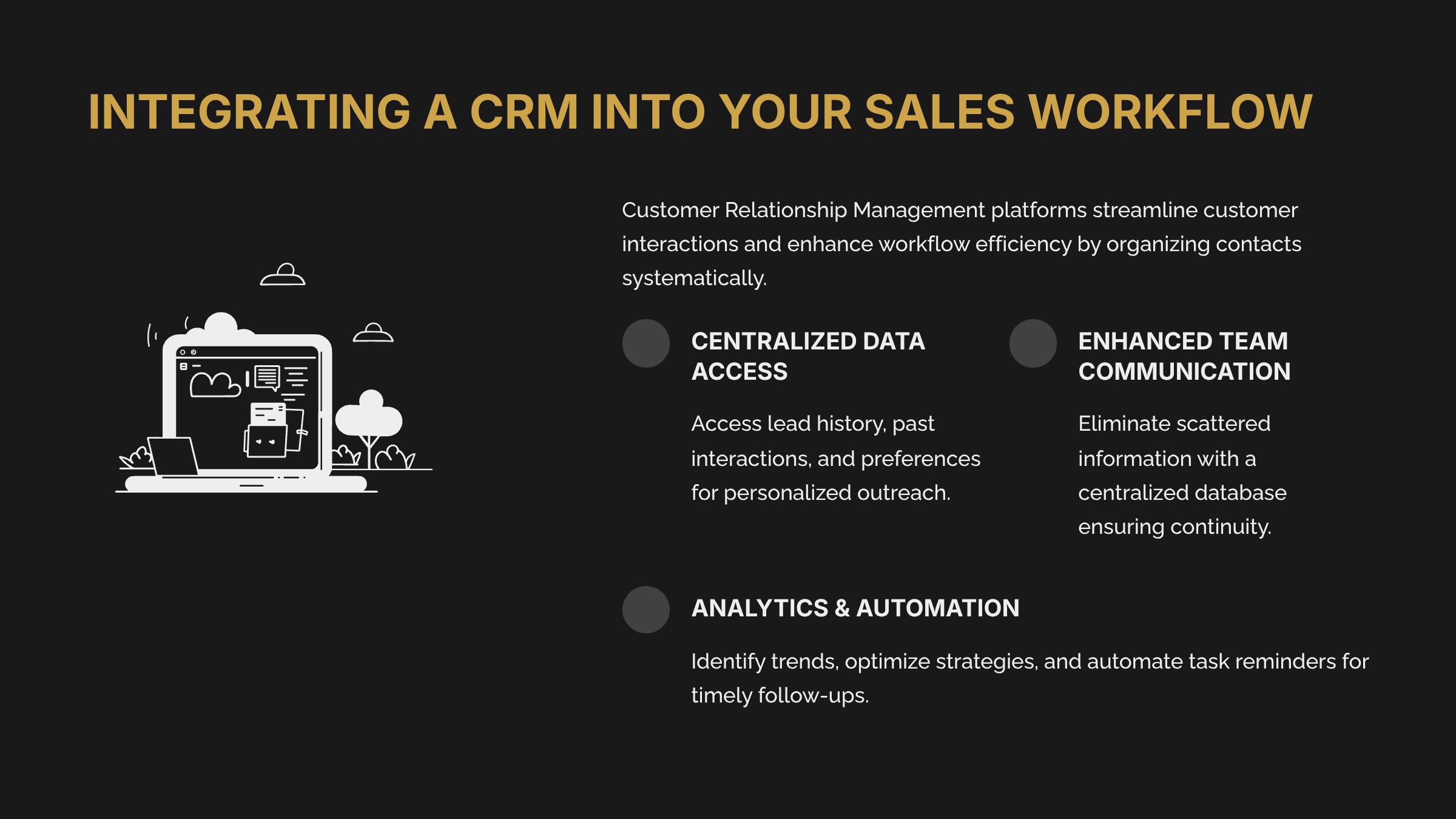
Customer Relationship Management (CRM) platforms play a pivotal role in modern sales systems by streamlining the management of customer interactions and enhancing workflow efficiency. By organizing contacts systematically, CRMs allow sales teams to access critical data such as lead history, past interactions, and preferences, which are vital for personalizing outreach. This integration facilitates effective lead qualification and nurturing, as teams can prioritize follow-ups based on engagement levels and purchase intent.
Moreover, a CRM enhances communication within the sales team by providing a centralized database, eliminating the risks associated with scattered information. This ensures that all team members are informed about customer interactions and can maintain continuity throughout the sales process. Additionally, tracking interactions directly in the CRM allows for timely follow-ups, which increase the likelihood of closing deals.
Incorporating a CRM not only boosts productivity but also supports the analytics necessary for optimizing sales strategies. By analyzing customer data, sales teams can identify trends and adjust their approaches to meet evolving market demands. Furthermore, CRMs often include automation features that can serve to remind sales representatives about important tasks, thus ensuring nothing slips through the cracks. Through effective integration of a CRM into a sales workflow, businesses can enhance their customer relationships, improve conversion rates, and ultimately drive revenue growth.
Using Sales Automation to Scale Outreach
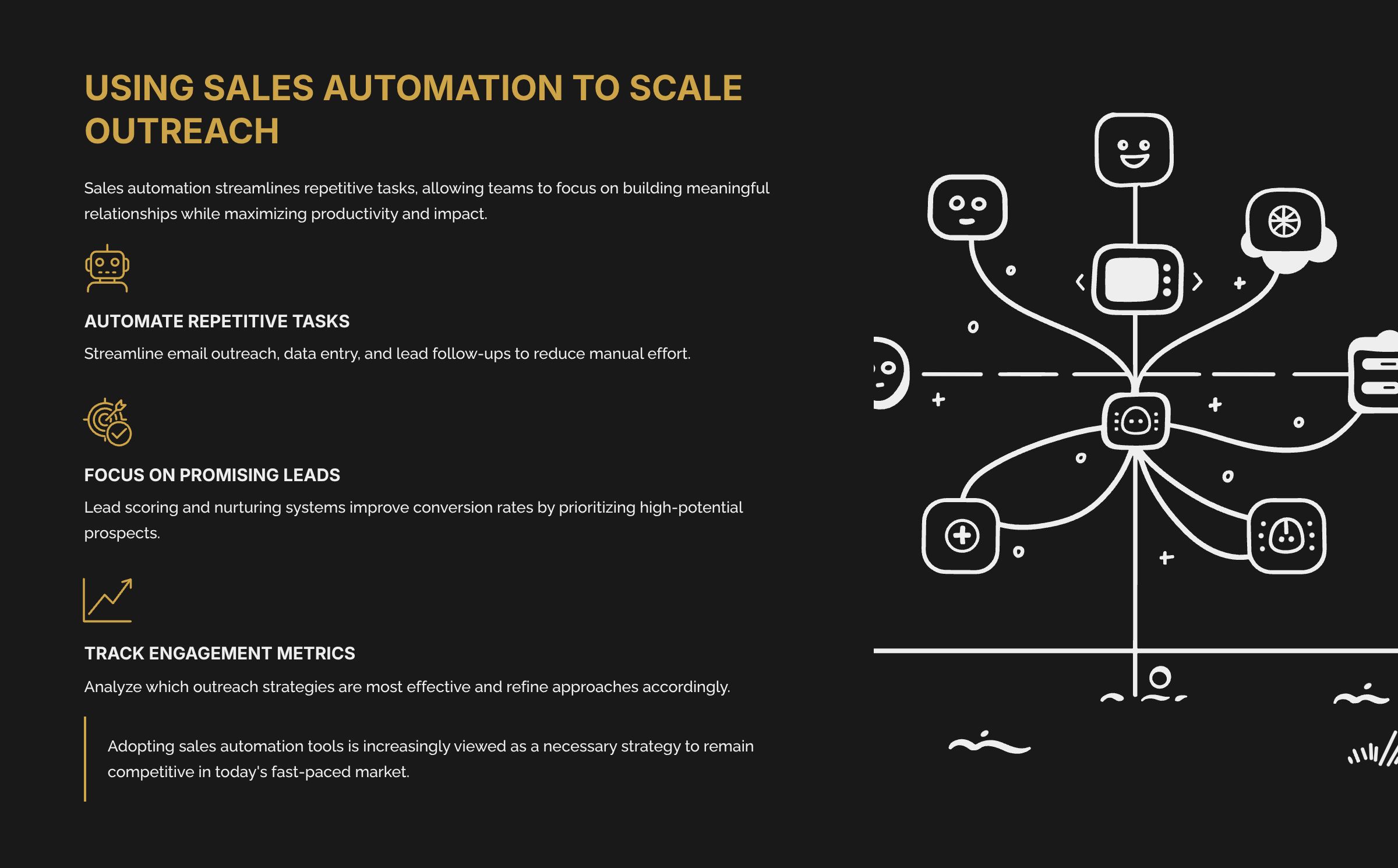
Sales automation plays a crucial role in enhancing the effectiveness of sales systems by streamlining repetitive tasks within the sales process. By automating activities such as email outreach, data entry, and lead follow-ups, organizations can significantly reduce the time spent on manual efforts, allowing sales teams to concentrate on building meaningful relationships with prospects and clients. This shift not only boosts productivity but also maximizes the impact of every interaction.
Automation tools, including lead scoring and nurturing systems, ensure that sales representatives focus their efforts on the most promising leads, improving overall conversion rates. Additionally, well-implemented sales automation can enhance communication consistency, as templates for emails and messages can be pre-defined, creating a cohesive message across outreach efforts.
Another advantage of sales automation is the ability to track and analyze engagement metrics efficiently. Sales teams can obtain valuable insights into which outreach strategies are the most effective. By utilizing this data, organizations can refine their approaches to better meet the needs of potential customers.
Furthermore, integrating automation within a sales system allows for seamless updates and management of contact information, ensuring that sales teams always have access to accurate data. This leads to more informed decision-making and enhances the overall efficiency of the sales workflow. As companies look to scale their outreach efforts, adopting sales automation tools is increasingly viewed as a necessary strategy to remain competitive in today's fast-paced market.
Sales Enablement: Equipping Your Team for Success
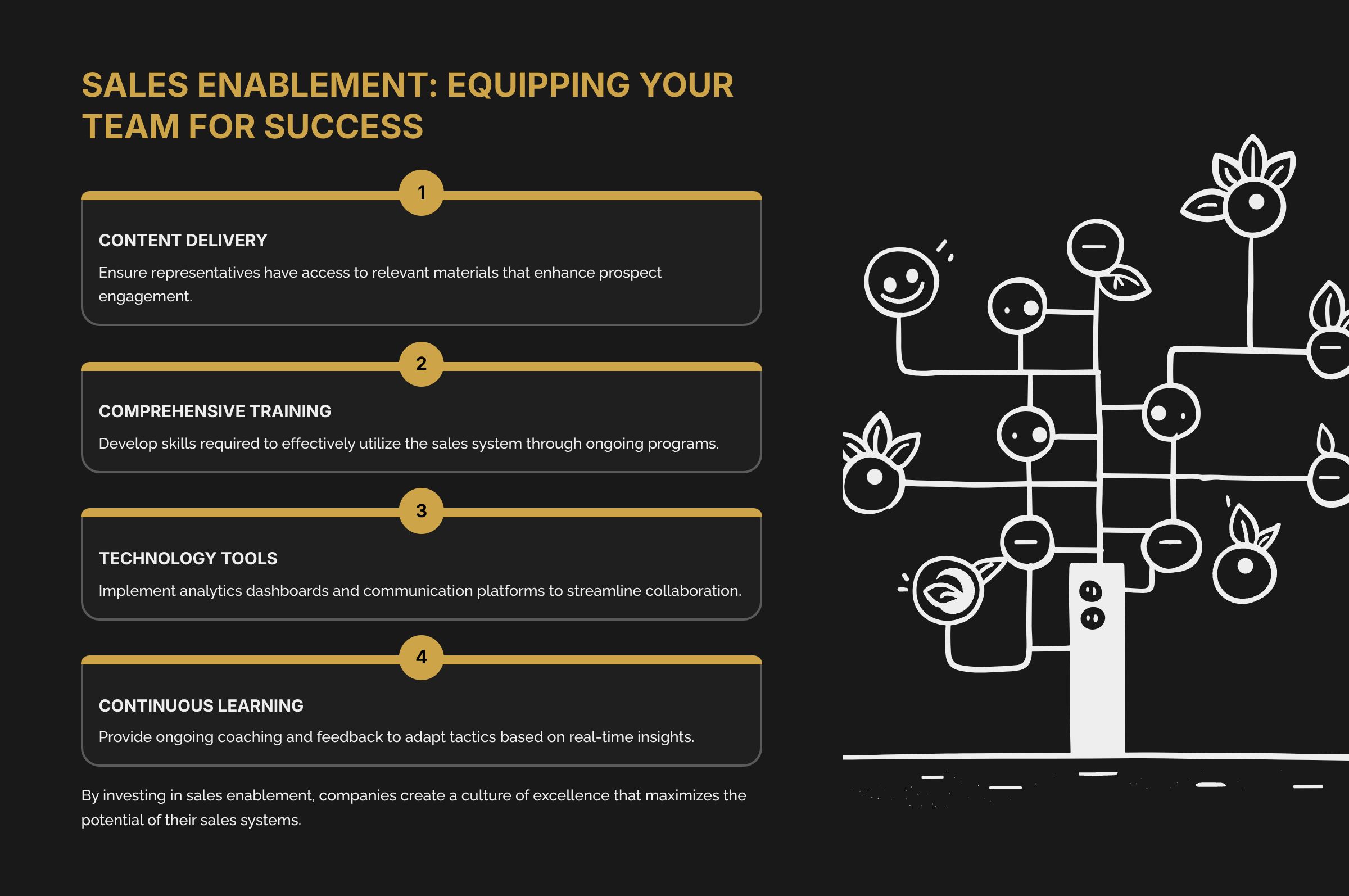
Sales enablement plays a critical role in optimizing a sales system by providing sales teams with the necessary resources, training, and tools to thrive. Effective sales enablement strategies include content delivery, which ensures that representatives have access to relevant materials that can enhance their engagement with prospects. Comprehensive training programs are also essential, as they help team members develop the skills required to effectively utilize the sales system.
Additionally, implementing technology tools such as analytics dashboards and communication platforms can streamline collaboration and facilitate knowledge sharing among sales personnel. By aligning sales enablement with the overall sales strategy, organizations can empower their teams to deliver personalized customer experiences, driving higher conversion rates and fostering long-term client relationships.
Another key aspect of sales enablement is continuous learning; providing ongoing coaching and feedback allows sales professionals to adapt and improve their tactics based on real-time data and insights. This iterative approach not only boosts individual performance but also enhances the overall effectiveness of the sales system. In summary, robust sales enablement strategies are fundamental for equipping teams to succeed, ensuring they are well-prepared to engage prospects and contribute to the organization’s sales goals effectively. By investing in sales enablement, companies can create a culture of excellence that maximizes the potential of their sales systems.
Measuring and Optimizing Sales System Performance
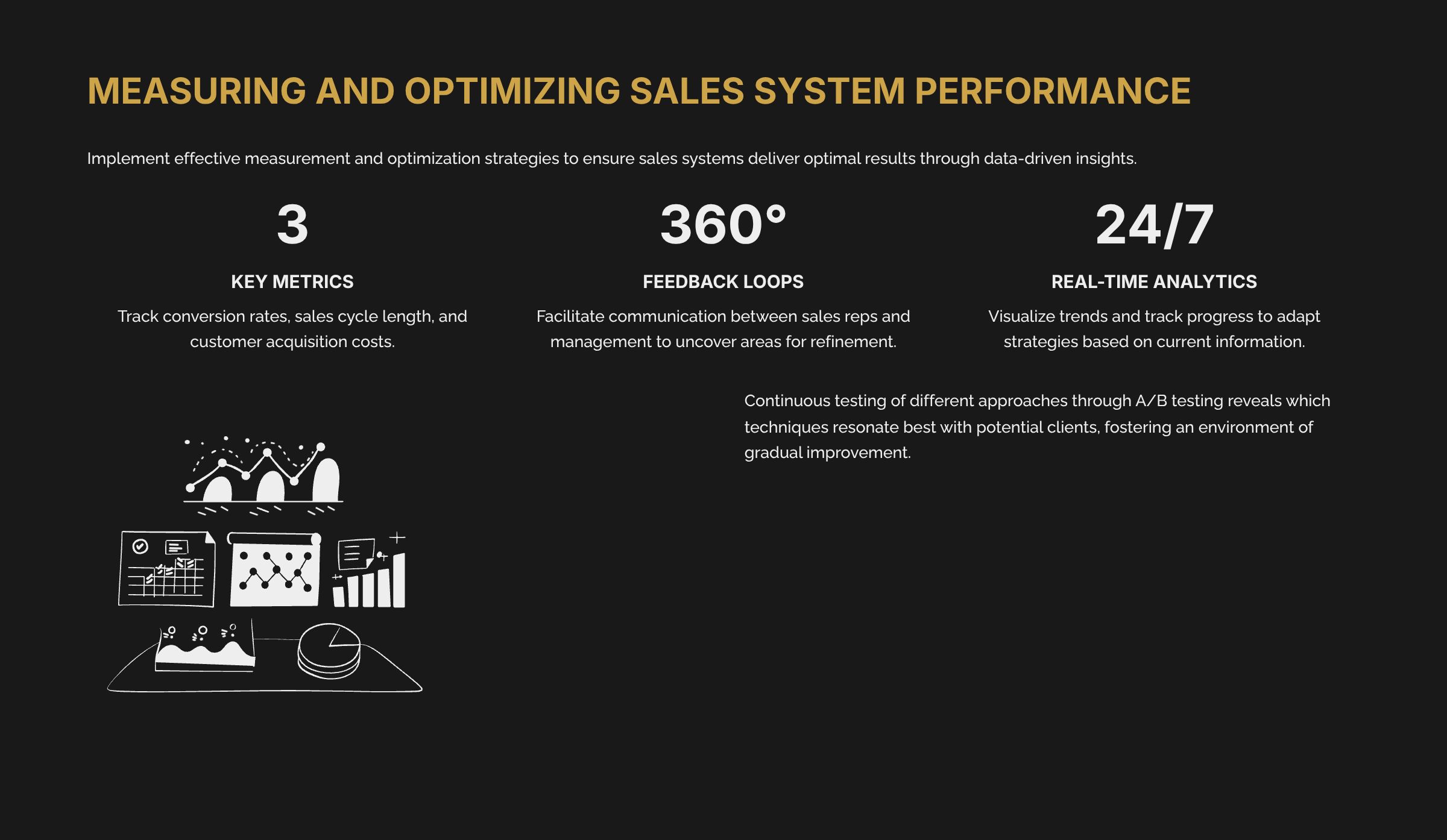
To ensure that sales systems deliver optimal results, it is crucial to implement effective measurement and optimization strategies. Key performance indicators (KPIs) such as conversion rates, sales cycle length, and customer acquisition costs provide valuable insights into how well the system operates. Regularly analyzing these metrics enables sales teams to identify strengths and weaknesses within their processes.
Feedback loops are another essential component, facilitating communication between sales representatives and management. By actively soliciting input about the sales system's effectiveness, organizations can uncover areas requiring refinement. Continuous testing of different approaches, whether altering sales tactics or adjusting lead qualification criteria, fosters an environment of gradual improvement.
Utilizing data-driven tools can further enhance performance monitoring. Advanced analytics software can help visualize trends and track ongoing progress, allowing teams to adapt their strategies based on real-time information. Incorporating A/B testing for various sales strategies can also reveal which techniques resonate best with potential clients.
In summary, measuring and optimizing sales system performance involves a structured approach that leverages KPIs and feedback loops. As sales professionals continually assess and refine their processes, they can achieve sustained growth and significantly enhance the efficiency of their sales efforts. By focusing on these metrics, organizations position themselves for ongoing success in an ever-evolving marketplace.
Conclusion
Before we wrap up, like I promised earlier, I want to give you something that will help you build this out for your own business. It’s a free resource from our business growth assets called Turn Sales Into Predictable Growth. It walks you through how to take the ideas we talked about today and turn them into a structured, repeatable revenue engine for your business. You can download it for free — the link is below. It’s the perfect next step if you’re ready to convert more leads without adding more pressure to your team.
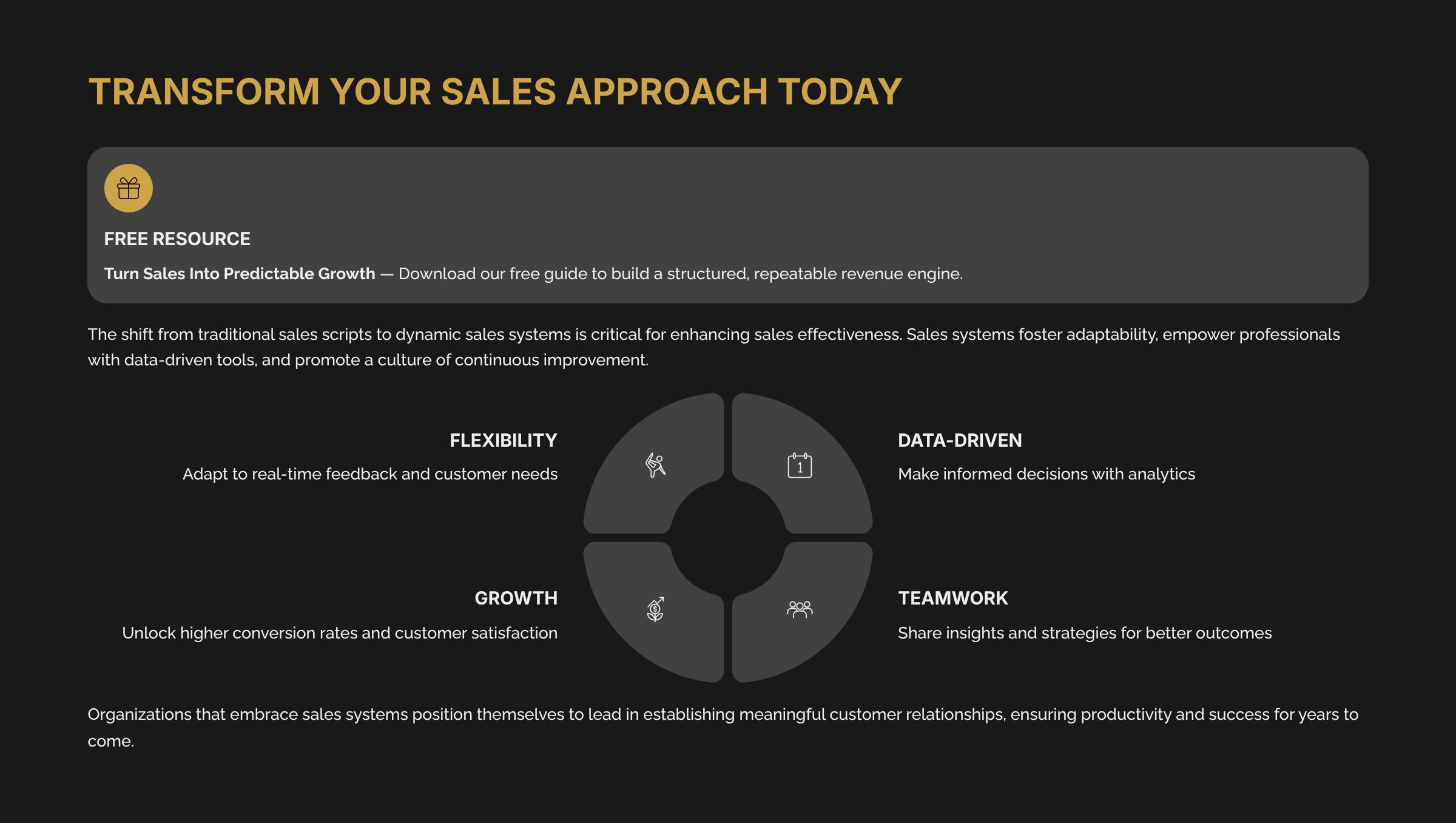
In summary, the shift from traditional sales scripts to dynamic sales systems is a critical evolution in enhancing sales effectiveness. Sales systems not only foster adaptability but also empower sales professionals with the tools needed to engage customers meaningfully. By integrating structured methodologies with real-time analytics, businesses can refine their sales approach, ensuring that each interaction is tailored to meet individual client needs.
The collaborative nature of sales systems also promotes a culture of continuous improvement, where team members share insights and strategies, leading to streamlined processes and better outcomes. Organizations that embrace these systems position themselves to unlock higher conversion rates, greater customer satisfaction, and sustainable growth. As the business landscape continues to evolve, understanding the strategic advantages of sales systems over traditional scripts becomes increasingly vital.
Ultimately, transitioning to a sales system empowers companies to not only keep pace with changing market demands but also to lead the way in establishing meaningful relationships with their customers. Emphasizing flexibility, data-driven decisions, and teamwork, sales systems prove essential for any organization aiming to thrive in today’s competitive arena. By recognizing the value of this approach, businesses can set themselves apart, ensuring productivity and success for years to come.
You don’t need another marketing agency making big promises. You need a partner who understands that sustainable business growth requires more than ads and content. It takes strategy, positioning, demand generation, sales enablement, automation, and customer retention—all working together in perfect sync.
6D FRAMEWORK
SERVICES
Subscribe to our newsletter
Get Smart, Actionable Growth Insights—Straight to Your Inbox. Proven strategies, expert tips, and real-world case studies to help you scale with clarity and control. No fluff. No spam. Just growth-focused insights you can actually use.