Introduction
In the highly competitive landscape of modern business, understanding brand growth becomes critical for companies aiming to establish a dominant market presence. Brand growth is not merely about increasing sales; it encompasses the expansion of a brand’s market share, customer engagement, and overall profitability over time. This phenomenon plays a pivotal role in shaping business strategies, influencing decisions regarding resource allocation, and ensuring long-term sustainability.
To effectively achieve brand growth, companies must develop multifaceted strategies that include enhancing brand recognition, building customer loyalty, and expanding their market outreach. These strategies highlight the importance of engaging with consumers and ensuring a consistent brand experience across diverse channels. Businesses that successfully prioritize these elements are often rewarded with increased revenue potential and a stronger reputation, leading to a commanding position in their respective industries.
As consumer preferences evolve at a rapid pace, recognizing the need for effective brand growth strategies is more essential than ever. This can range from refining product offerings to investing in targeted marketing campaigns that resonate with desired audiences. By emphasizing these approaches, businesses can maintain a competitive edge in an ever-changing marketplace while fostering meaningful connections with their customers. Ultimately, the trajectory of brand growth is a direct reflection of a company's adaptability and innovative capabilities, ensuring its relevance in a dynamically evolving business environment.
Understanding Brand Growth and Why It Matters
Brand growth refers to the increase in a brand's market presence, customer base, and overall profitability over time. It is a fundamental indicator of a brand's potential for scaling within a competitive landscape. In the context of business management, understanding brand growth is essential as it influences strategic decisions, resource allocation, and long-term sustainability.
A successful brand growth strategy encompasses various dimensions, including expanding market reach, enhancing customer loyalty, and fostering brand recognition. Moreover, it underscores the importance of customer engagement and the value of delivering a consistent brand experience across all platforms. Businesses that prioritize brand growth can benefit from increased revenue streams and enhanced reputation, leading to a solid market position.
In today's dynamic marketplace, where consumer preferences shift rapidly, recognizing and implementing effective brand growth strategies is crucial. This can be achieved through various methods such as refining product offerings, enhancing customer interactions, and investing in marketing initiatives that resonate with target audiences. By focusing on these elements, businesses can maintain a competitive edge while cultivating lasting relationships with their consumers. Ultimately, the effectiveness of brand growth directly correlates with a company's ability to adapt and innovate, ensuring that it remains relevant in an ever-evolving business environment.
Crafting a Clear and Consistent Brand Message
In today’s highly competitive marketplace, developing a clear and consistent brand message is crucial for any business aiming to enhance its brand growth. A well-defined brand message not only reflects the core values and mission of a company but also connects deeply with the target audience. By establishing strategic messaging, brands can build trust with consumers, which is fundamental for fostering loyalty and encouraging repeat business.
Consistency in messaging across various platforms helps to solidify a brand’s identity, making it easily recognizable. The use of storytelling, targeted keywords, and audience-centric language can significantly improve engagement levels. Brands that convey their message accurately and consistently are often perceived as more credible, which subsequently positions them as the preferred choice in the minds of consumers.
Moreover, a compelling brand narrative can differentiate a company from its competitors, enhancing its overall market position. This involves not only communicating what products or services are offered but also clearly articulating the unique value proposition. By leveraging emotional appeals alongside factual content, a brand can create a deeper connection with its audience. Ultimately, the combination of clear and consistent messaging leads to enhanced brand authority, paving the way for long-term success and growth in an ever-evolving business landscape.
Building Brand Authority in a Competitive Market
Achieving brand authority is essential for businesses looking to establish themselves in competitive markets. This credibility can be developed through various strategies, including thought leadership, social proof, and the creation of value-driven content. By positioning key team members as industry experts through articles, webinars, and speaking engagements, a brand can demonstrate its knowledge and expertise. This not only attracts potential customers but also fosters trust and loyalty among existing clients.
Social proof plays a significant role in enhancing brand credibility. By showcasing testimonials, case studies, and reviews from satisfied customers, a brand can validate its offerings and reassure new clients of its reliability.
Content marketing, particularly blogs and educational resources, serves as a valuable tool in building authority. By providing insightful and relevant information, a brand can attract organic traffic and engage its audience, reinforcing its reputation as a trusted source.
Additionally, collaborating with influencers or industry leaders strengthens a brand’s position in the marketplace. Their endorsement can extend a brand's reach and introduce it to new audiences. Overall, consistent delivery of high-quality, insightful content that addresses customer needs not only establishes authority but also significantly enhances a brand's competitive edge, ultimately contributing to sustainable growth and long-term success.
Establishing Omnipresence Across Digital Channels
Achieving brand omnipresence across multiple digital channels is crucial for enhancing brand visibility and fostering customer engagement. In today’s digital landscape, consumers interact with brands through various platforms, including social media, websites, email, and mobile applications. A cohesive strategy that integrates these channels enables businesses to reach their target audience more effectively.
To establish a robust online presence, brands should ensure consistency in messaging and visual identity across all platforms. This uniformity helps reinforce brand recognition and trust among consumers. Moreover, utilizing multi-channel marketing tactics can enhance customer interaction, as audiences are more likely to engage with brands they encounter frequently across different mediums.
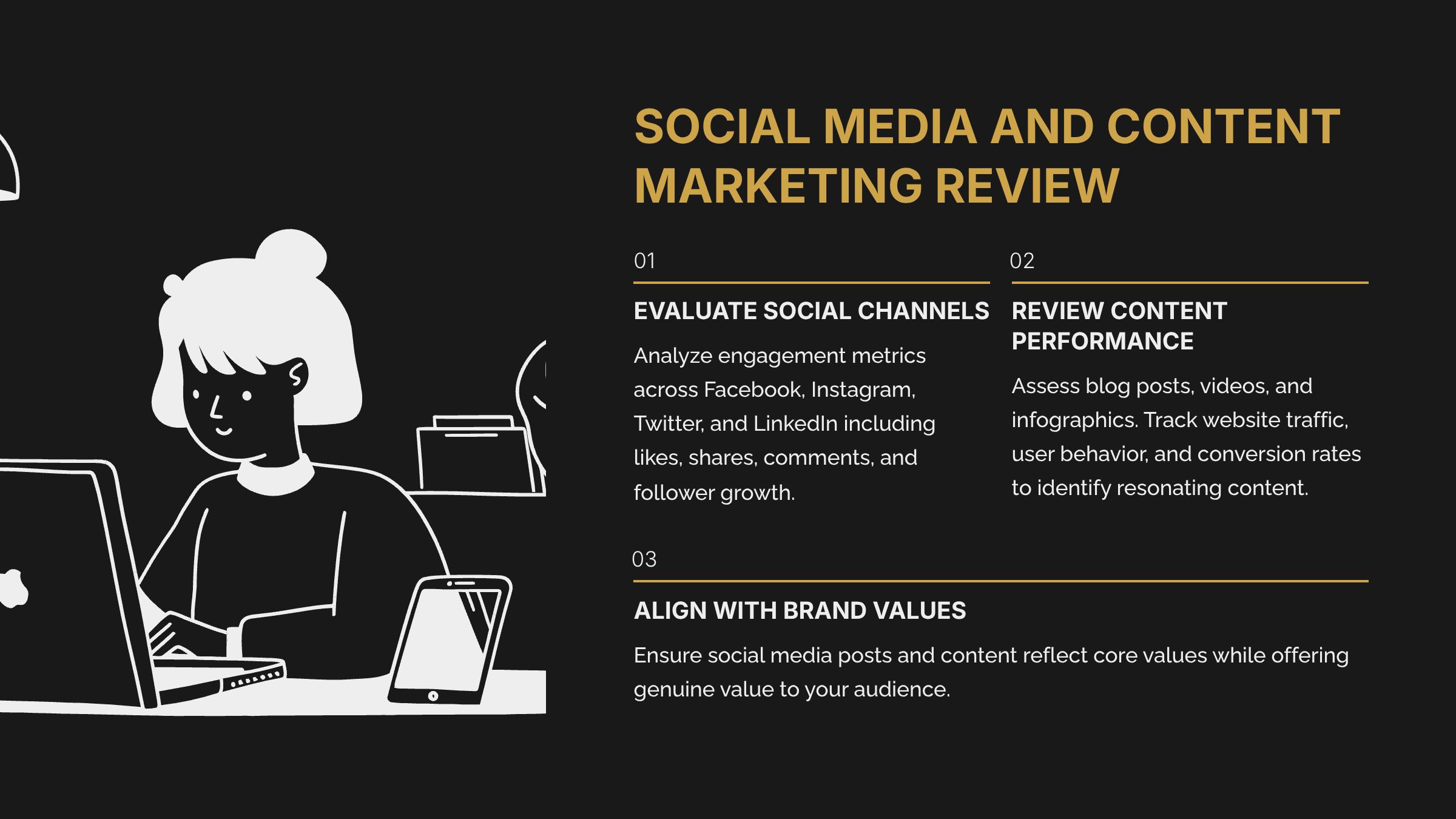
Incorporating SEO practices into digital marketing efforts is essential for increasing visibility. Brands should optimize their content for search engines, ensuring that they are easily discoverable by potential customers. Utilizing analytics tools to monitor performance across various channels allows businesses to refine their strategies based on customer behavior and preferences.
Furthermore, leveraging social media platforms can amplify brand reach; sharing valuable content encourages audience engagement and interaction. By actively participating in discussions and responding to feedback, brands can cultivate a community that fosters loyalty and advocacy. In summary, establishing omnipresence across digital channels not only enhances brand visibility but also deepens customer relationships, ultimately contributing to long-term success.
Leveraging Customer Insights to Fuel Brand Growth
Customer insights are vital for driving brand growth, as they provide a foundation for making informed business decisions. By analyzing data from various sources, including surveys, social media interactions, and purchase behaviors, businesses can gain a deeper understanding of their audience's preferences and needs. This data-driven approach allows brands to tailor their strategies, ensuring that marketing efforts resonate with the target demographic.
Audience feedback is another critical element in shaping effective brand strategies. Engaging with customers through reviews and testimonials enables businesses to identify areas for improvement and capitalize on their strengths. Utilizing customer feedback can enhance product offerings and improve customer service, fostering loyalty and repeat business.
Furthermore, leveraging customer insights can help brands anticipate market trends and respond proactively to changing consumer demands. This agility is essential for maintaining a competitive edge in today's fast-paced marketplace. By implementing analytics tools and customer relationship management software, brands can effectively monitor and interpret consumer behavior, facilitating innovation and growth.
Ultimately, harnessing customer insights not only enhances
brand positioning but also builds stronger, more meaningful connections with consumers. As the market evolves, companies that prioritize understanding their customers are better equipped to create strategies that drive sustained brand growth and success.
Sustaining Long-Term Brand Growth Through Innovation
To achieve lasting brand growth, organizations must embrace innovation as a fundamental aspect of their strategy. Innovation encompasses not only the development of new products and services but also the improvement of existing processes and customer experiences. In a rapidly evolving marketplace, adaptability is crucial for brands aiming to maintain relevance. Companies that proactively seek to understand changes in consumer preferences and technological advancements are better positioned to pivot and implement necessary adjustments.
Integrating innovative practices fosters a culture of continuous improvement where employees feel empowered to contribute ideas. This approach not only enhances operational efficiency but also strengthens brand loyalty, as customers appreciate companies that anticipate their needs. Furthermore, incorporating customer feedback into product development cycles can lead to more relevant offerings, effectively aligning brand strategies with market demands.
Utilizing digital tools and analytics helps brands stay ahead of trends and evaluate the effectiveness of their innovations. By regularly assessing performance metrics, brands can refine their strategies to ensure they meet evolving customer expectations. Overall, fostering an innovative mindset is essential for brands aiming to sustain growth. Organizations that prioritize innovation, adaptability, and responsiveness are more likely to thrive in competitive landscapes, ensuring their long-term success and scalability in the market.
Conclusion
In summary, brand growth is a vital component of any successful business strategy, influencing not only market position but also overall profitability and consumer loyalty. By understanding the nuances of brand growth, organizations can skillfully navigate the complexities of the marketplace and respond to ever-changing consumer demands. This article has outlined the essential elements that contribute to effective brand growth, including the importance of customer engagement, strategic market reach expansion, and the refinement of product offerings.
As businesses implement targeted marketing initiatives and adapt to new trends, they create opportunities for sustained growth and enhanced brand recognition. By prioritizing these efforts, companies can build long-lasting customer relationships and fortify their presence in the market. Thus, a well-executed brand growth strategy serves as a foundation for long-term success, viability, and innovation. As the competitive landscape continues to evolve, understanding and leveraging brand growth will prove crucial for businesses aiming to thrive in their respective industries. With the right focus and strategies in place, organizations can not only weather marketplace fluctuations but also emerge as industry leaders poised for future growth and success. Transitioning from theoretical knowledge to actionable steps will ensure that brands remain relevant and prosperous in the years to come.