Introduction
Brand messaging is a crucial element in the world of marketing that encompasses the language, tone, and communication techniques a business employs to articulate its identity and values. This foundational aspect not only shapes how consumers perceive a brand but also influences their engagement and loyalty. In a market saturated with options, effective brand messaging has the power to differentiate a business and create lasting emotional connections with its audience.
Understanding brand messaging is particularly important for businesses aiming to enhance their visibility and customer relationships. A well-crafted message captures the essence of what a brand represents, making it easier for consumers to identify with its mission and vision. Key components such as tone, style, and core messaging pillars work harmoniously to create a unified narrative that resonates with target audiences.
As companies navigate the complexities of modern marketing, prioritizing brand messaging becomes vital. It serves not only to convey essential information about products and services but also to instill trust and credibility among consumers. Ultimately, a strong brand message fosters customer loyalty and enhances the overall experience, making it a cornerstone of successful marketing strategies. This article explores the intricacies of brand messaging, its components, and its importance in fostering strong consumer connections in today's competitive landscape.
What Is Brand Messaging and Why It Matters
Brand messaging refers to the language and communication strategies used by a business to convey its identity, values, and promise to its audience. It serves as the foundation for how a brand is perceived by consumers and plays a pivotal role in shaping customer opinions and decision-making processes. Effective brand messaging encapsulates what the brand stands for, creating a compelling narrative that resonates with target audiences.
The significance of brand messaging extends beyond mere promotion; it establishes emotional connections and fosters loyalty among customers. By successfully articulating core values and the
unique selling proposition, businesses can differentiate themselves in a crowded marketplace. Strong brand messaging not only conveys essential information about products and services but also influences purchasing choices by instilling trust and credibility.
For businesses aiming to enhance their market presence, understanding brand messaging is critical. This concept encompasses various components, including tone, style, and key messaging pillars, all designed to communicate a unified message. Businesses that prioritize their brand messaging strategies ultimately position themselves to build deeper relationships with their customers, drive engagement, and achieve long-term success. Recognizing the essential role of brand messaging enables companies to create a focused narrative that enhances customer experience and fosters brand loyalty, making it a cornerstone of successful marketing efforts.
Key Elements of Effective Brand Messaging
Effective brand messaging is built upon several key components that collectively shape how a brand is perceived. The first critical element is the value proposition, which clearly articulates what makes a brand unique and why customers should choose it over competitors. This foundational statement helps in establishing a strong market presence.
Next, the tone of voice plays a vital role in conveying brand personality and fostering connections with customers. Whether a brand adopts a formal, casual, or friendly tone, it should reflect its values and resonate with the target audience. Consistency in tone ensures that every interaction reinforces the
brand identity.
Core message pillars further enhance brand messaging by encapsulating the main ideas and beliefs that a brand stands for. These pillars act as touchstones for all communication, guiding the development of marketing materials and ensuring that every message aligns with the overall brand strategy.
Additionally, understanding the target audience is paramount. Tailoring messaging to meet the needs and preferences of different segments enables brands to engage effectively. By combining these elements—value proposition, tone of voice, and core message pillars—brands can create compelling narratives that not only capture attention but also foster loyalty and drive customer engagement.
Proven Brand Messaging Frameworks to Use
To craft compelling brand narratives, several proven frameworks can guide organizations in their messaging journey. One popular approach is the **StoryBrand framework**, designed by Donald Miller. This method emphasizes positioning the customer as the hero of the story while the brand acts as a guide. By clearly defining the customer's problem and presenting the brand as a solution, businesses can significantly enhance engagement and relatability.
Another effective strategy is Simon Sinek's **Golden Circle** concept. This framework centers on answering three fundamental questions: Why, How, and What. By starting with the ‘Why’, brands can articulate their core purpose, which resonates deeply with customers and fosters loyalty. Following this, brands clarify their ‘How’—the unique methods they employ to achieve their mission—and finally, detail the ‘What’—the products or services they offer.
Incorporating these frameworks helps organizations maintain clarity and consistency in their messaging. Utilizing structured approaches not only simplifies the narrative formation process but also increases the likelihood of connecting with target audiences. Ultimately, brands that effectively harness these frameworks can communicate their values and propositions more clearly, leading to stronger customer relationships and improved brand perception.
Tailoring Brand Messaging for Different Audiences
Effective brand messaging requires an understanding of audience segmentation to resonate with diverse groups. Each customer persona has distinct needs, preferences, and pain points, which necessitate a tailored approach to communication. By identifying key demographics—such as age, gender, location, and interests—marketers can craft messages that speak directly to specific audience segments.
For instance, a technology brand might adopt a more technical and innovative tone when addressing IT professionals, while opting for a simpler, more relatable style when engaging with casual consumers interested in user-friendly products. This differentiation not only enhances the overall customer experience but also fosters stronger connections, as audiences feel understood and valued.
Moreover, companies should consider the motivations and aspirations of each segment. For example, sustainability-focused messages may appeal to environmentally conscious buyers, whereas luxury positioning might attract affluent clientele. Adapting the core message to reflect these insights is crucial for driving engagement and conversion.
Utilizing analytics tools can aid in understanding audience behavior, allowing marketers to refine their messaging strategies continually. Ultimately, personalized and audience-specific brand messaging can significantly improve customer loyalty and brand reputation, ensuring that each interaction aligns with the values and expectations of diverse customer groups.
Ensuring Brand Messaging Consistency Across All Platforms
Maintaining brand messaging consistency is vital for cultivating trust and recognition among consumers. Consistent messaging reinforces a brand’s identity and helps foster a unified experience across various platforms, including websites, social media, email communication, and offline materials. By establishing clear guidelines that outline tone, language, and core messages, brands can ensure their communications resonate uniformly, regardless of the channel.
First, brands should create a comprehensive messaging document that summarizes key elements—the value proposition, tone of voice, and core message pillars. This serves as a reference to ensure all team members are aligned in their communications. Regular audits of both digital and traditional channels can also help identify discrepancies, allowing brands to make adjustments as needed.
Furthermore, utilizing templates for social media posts and
email campaigns can streamline content creation and ensure adherence to brand guidelines. Engaging with audience feedback across various platforms can provide insights into how effectively the brand message is being received. It is imperative for businesses to remember that a cohesive message enhances credibility, fosters customer loyalty, and ultimately contributes to long-term success. By consistently applying these best practices, brands can effectively convey their identity and values, resulting in a stronger connection with their target audience.
Measuring the Impact of Your Brand Messaging Strategy
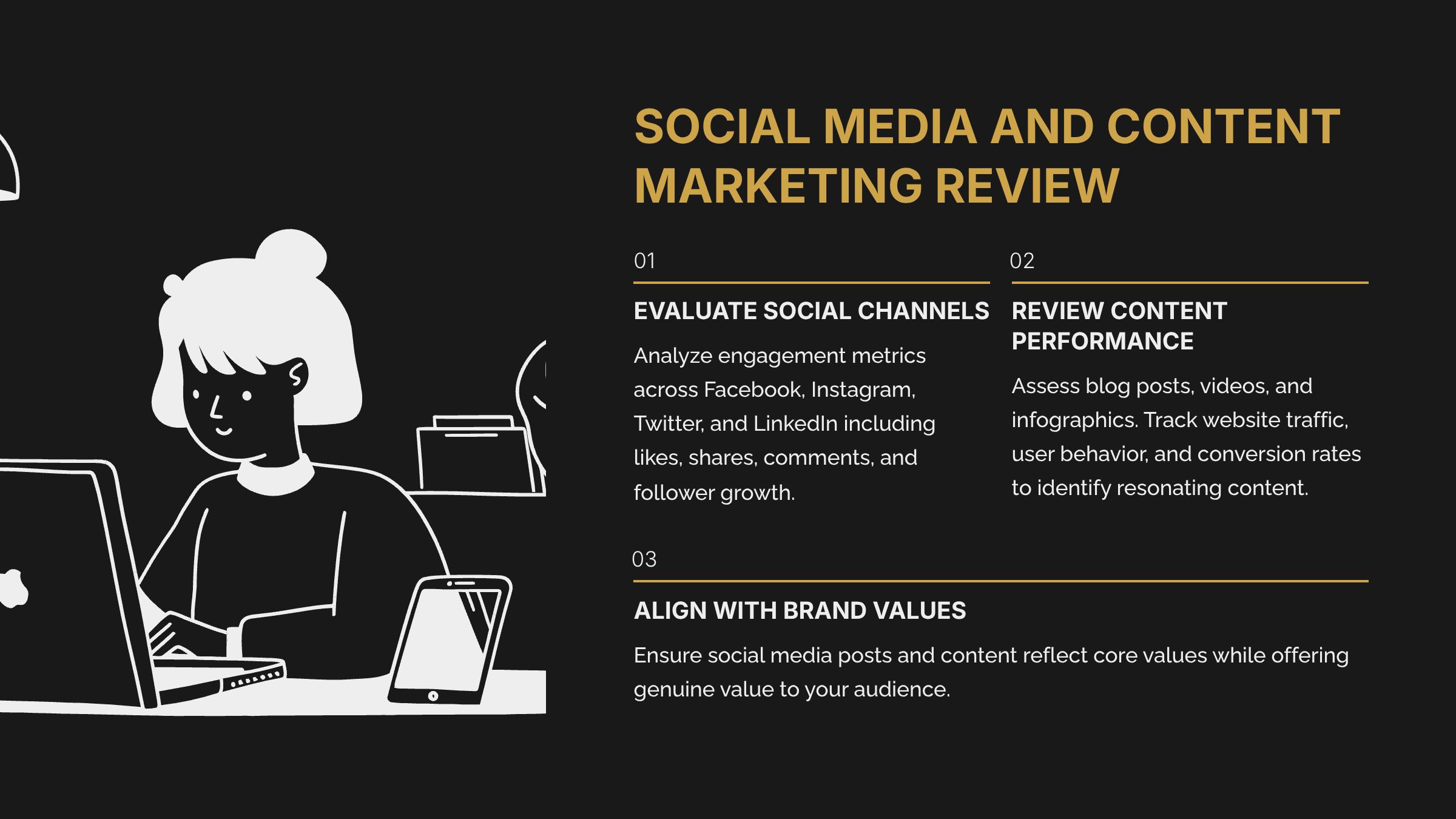
To evaluate the effectiveness of a brand messaging strategy, organizations must establish clear metrics that reflect brand resonance and client engagement. Key performance indicators (KPIs) such as brand awareness, customer sentiment, and conversion rates are essential for assessing how well a brand’s message is being received. Additionally, engaging with social media analytics can provide insights into audience interactions, revealing how messaging influences community response and loyalty.
Tools like Google Analytics, social listening platforms, and surveys can offer valuable data for understanding audience perception. By tracking website traffic, bounce rates, and the duration of visitor engagement, businesses can determine if their messaging effectively captures attention and encourages further exploration. Furthermore, engagement metrics such as shares, likes, and comments on social media platforms help gauge how well the brand message resonates with its audience.
Another crucial aspect is analyzing customer feedback through reviews and net promoter scores (NPS), which can reveal the overall impact of brand messaging on customer satisfaction and advocacy. Consistent monitoring and adjustment of these metrics allow brands to refine their messaging strategies, ensuring they remain relevant and impactful over time. Ultimately, a systematic approach to measuring brand messaging effectiveness empowers organizations to make data-informed decisions, enhancing their connection with target audiences and driving business success.
Conclusion
In summary, brand messaging is an essential aspect of a business's overall strategy, serving as the bridge between the brand and its audience. By effectively conveying identity, values, and promises, companies can establish a strong emotional resonance that not only differentiates them in a competitive landscape but also drives customer loyalty. The key components of brand messaging, including tone and style, work together to create a cohesive narrative that enhances the customer experience.
Understanding the importance of clear and compelling brand messaging allows businesses to foster trust and ensure consistent communication across platforms. As the market continues to evolve, those companies that invest the time and resources into refining their messaging will reap the rewards of deeper customer relationships and sustained engagement. The insights presented throughout this article emphasize that a focused and well-defined brand message is not just a promotional tool, but a cornerstone of successful marketing and brand loyalty. Embracing these principles can empower businesses to connect more meaningfully with their consumers, ultimately leading to stronger brand recognition and growth in market presence. In a digital age where consumers are bombarded with choices, effective brand messaging stands out as a vital strategy for long-term success.